
Summary
- Price & Warranty:Pilot wins. While these SUVs have identical new-vehicle and powertrain warranties, the smaller Honda Pilot has a lower starting price.
- Engine & Performance:Suburban wins. Not only does the Chevy Suburban have a stronger standard engine, but it has additional powertrain choices, including an efficient turbo-diesel that beats the Pilot in MPG ratings.
- Cargo Space & Dimensions:Suburban wins. The larger Suburban gives you over 55 additional cubic feet of maximum cargo space and additional legroom in all three rows.
- Interior & Comfort:Tie. Both models offer similar standard and available creature comforts for your time on the road.
- Features & Tech:Suburban wins. While these SUVs have many similar technologies, the Suburban has larger displays and more standard and available systems.
- Safety & Reliability:Suburban wins. The Suburban has more advanced standard camera systems and available driver aids, like Super Cruise, that you won't find for the Pilot.
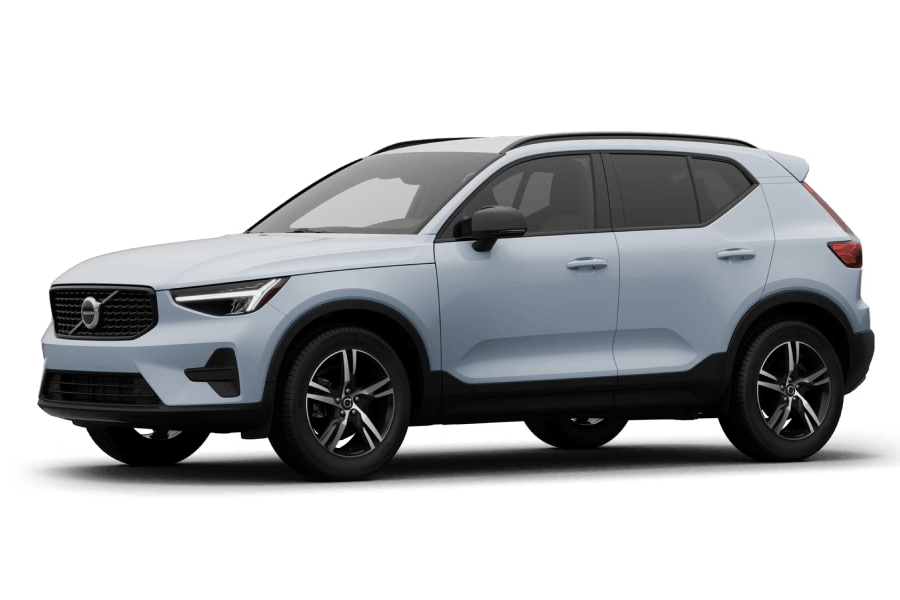 | 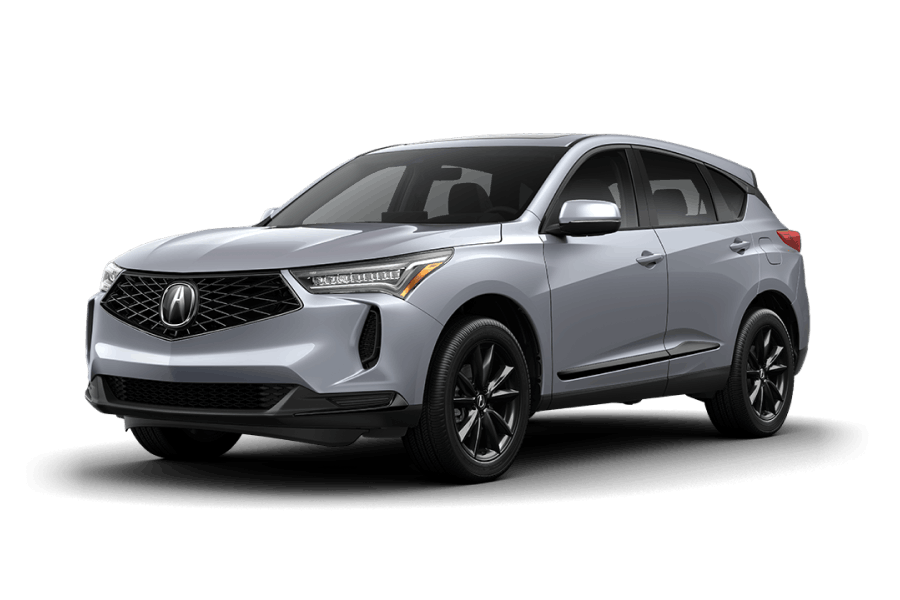 | |
| Chevy Suburban vs. Honda Pilot Comparison | ||
|---|---|---|
| Chevy Suburban | Honda Pilot | |
| Performance | ||
| Engine Options |
| 3.5L V-6 |
| Horsepower |
| 285 |
| Torque |
| 262 lb-ft |
| Transmission | 10-speed auto | 10-speed auto |
| Drivetrain | RWD or 4WD | FWD or AWD |
| Fastest 0-60 Time | 6 sec (tested w/ 2025 model)1 | 6.9 sec2 |
| Max. EPA-EST MPG (Cty / Hwy / Comb) | 21 / 26 / 233 | 19 / 27 / 224 |
| Max. EPA-est Gas Range (Hwy) | 728 mi5 | 500 mi6 |
| Fuel Tank Size | 28 gal | 18.5 gal |
| Max. Towing Capacity | 8,400 lbs7 | 5,000 lbs8 |
| Dimensions & Weights | ||
| Wheelbase | 134.1 in | 113.8 in |
| Length | 226.3 in | 200.1 - 200.4 in |
| Width | 81 in | 78.5 in |
| Height | 75.6 - 76.6 in | 70.9 - 72 in |
| Base Curb Weight | 5,530 - 5,723 lbs | 4,334 - 4,722 lbs |
| Seats | 7, 8, or 9 | 7 or 8 |
| Headroom (1st / 2nd / 3rd Row) | 42.3 / 38.9 / 38.2 in |
|
| Legroom (1st / 2nd / 3rd Row) | 44.5 / 42 / 36.7 in | 41 / 40.8 / 32.5 in |
| Cargo Space (Behind 3rd / 2nd / 1st Row) | 41.5 / 93.8 / 144.5 cu ft | 18.6 / 48.5 / 86.5 - 87 cu ft |
| Interior Features | ||
| Infotainment Display | 17.7 in | 12.3 in |
| Digital Instrument Cluster | 11 in | 10.2 in |
| Wireless Phone Charging | Available | |
| Google Built-In | ✓ | |
| Bose® Sound System | Available | |
| Standard Upholstery | Cloth | |
| Available Upholstery |
| |
| Power Lumbar | 2- or 4-way | 2-way |
| Climate Control | Tri-zone | |
| Surround-View Camera System | ✓ | Available |
| Head-Up Display | Available | |
| Hands-Free Highway Driving | Available | - |
| Interior Camera | Available | - |
| Exterior Features | ||
| Wheel Size | 17 - 24 in | 18 - 20 in |
| Panoramic Roof | Available | |
| LED Exterior Lights | ✓ | |
| Light Animation | Available | - |
| Auto-Dimming Side Mirrors | Available | |
| Safety & Reliability | ||
| Bumper-To-Bumper Limited Warranty | 3-yr / 36,000-mi9 | 3-yr / 36,000-mi9 |
| Powertrain Limited Warranty | 5-yr / 60,000-mi9 | 5-yr / 60,000-mi9 |
| 2026 NHTSA Safety Rating | 5 / 510 | 5 / 510 |
| 2027 Chevy Suburban | Used Honda Pilot | |
2026 Honda Pilot vs. 2027 Chevrolet Suburban: Which Family SUV Should You Drive?
Our Chevy Suburban vs. Honda Pilot guide is designed to help growing families determine which of these three-row, value-packed SUVs is better suited to their needs. You'll see below that, while the Pilot has some advantages, the Chevy Suburban has more key wins across vital comparison categories. Join our Haley Automotive Group team as we dive into this clash between two iconic sport-utes.
Price & Warranty
Both SUVs have similar new-vehicle and powertrain warranties,9 but the Honda Pilot has a lower starting MSRP.
Chevy Suburban: The full-size new Chevy Suburban for sale has six trims and a higher starting price, in part due to its larger size and additional standard amenities. It comes with a three-year/36,000-mile Bumper-to-Bumper Limited Warranty9 and a five-year/60,000-mile Powertrain Limited Warranty.9
Honda Pilot: The Honda model is considered a smaller full-size three-row SUV, contributing to its lower starting price. It has six trims and comes with new-vehicle and powertrain warranties for the same duration as the Suburban.9
Engine & Performance
The Chevy Suburban gives you a choice between three powertrains, including two powerful V-8s and a fuel-savvy turbo-diesel, while the Pilot only has a single V-6 that generates less power than even the standard Chevy option.
Chevy Suburban: The Suburban has a maximum towing capacity of 8,400 pounds7 with its standard 5.3-liter engine and achieves up to an EPA-estimated 23 MPG (Combined)3 with its available turbo-diesel.
- 5.3-Liter V-8: 355 horsepower and 383 pound-feet of torque
- 6.2-Liter V-8: 420 horsepower and 460 pound-feet of torque
- Duramax 3.0-Liter Turbo-Diesel: 305 horsepower and 495 pound-feet of torque
Honda Pilot: The Honda SUV has a single 3.5-liter V-6 that produces 285 horsepower and 262 pound-feet of torque. With AWD, it can tow up to 5,000 pounds,8 though models with standard FWD can only pull a maximum of 3,500 pounds.8 It tops out at 22 MPG (Combined), according to the EPA.4
Cargo Space & Dimensions
The full-size Suburban has the edge in cargo space and passenger comfort, while the smaller Pilot may be a bit more maneuverable at the cost of cabin room.
Chevy Suburban: The massive Suburban measures 226.3 inches long and up to 76.6 inches tall, allowing it to provide generous passenger and cargo dimensions. As you can see in the chart above, it has more legroom across all three rows, including over 44 inches in the front. It only falls slightly short in second- and third-row headroom, and that gap tightens when the Pilot has a moonroof equipped.
Honda Pilot: The smaller Honda Pilot has significantly less space for your crew and gear. For instance, it has a maximum cargo volume of 87 cubic feet compared to 144.5 cubic feet for the Suburban. Plus, its first- and third-row legroom falls short by more than 3 and 4 inches, respectively.
Interior & Comfort
The Suburban and Pilot have similar standard and available creature comforts, with each model having its own unique wins.
Chevy Suburban: Cloth upholstery comes standard, while leather and perforated leather options are available. Standard comforts include two-way lumbar support and tri-zone automatic climate control, while four-way lumbar and heated and cooled seats are available.
Honda Pilot: The Pilot has similar standard and available upholstery choices and comes with two-way lumbar and tri-zone automatic climate control. It lacks a four-way lumbar option, but you'll get front-seat heating in the entry trim vs. the second-tier model for the Suburban.
Features & Tech
The Pilot has some minor tech advantages, but it can't keep up with advanced systems in the Suburban overall.
Chevy Suburban: The Suburban has massive displays, including a 17.7-inch touchscreen, an 11.1-inch driver information center, and an available 15-inch Head-Up Display. A six-speaker sound system comes standard, but a 10-speaker Bose® Centerpoint® setup is available. Wireless Apple CarPlay® and Android Auto™, along with Google built-in, come standard, while wireless device charging is available. Check out our model research to learn more about Suburban amenities.
Honda Pilot: The Pilot admittedly has more speakers – nine standard or 12 available. However, it's available 12-speaker Bose® sound system lacks the sophisticated surround-sound Centerpoint® technology. All of its displays are smaller, from the 12.3-inch touchscreen and 10.2-inch digital instrument cluster to the available 4-inch Head-Up Display. It matches the Suburban with standard Google and smartphone integration, as well as available wireless device charging.
Safety & Reliability
While both models have five-star safety ratings from the NHTSA,10 the Suburban has more sophisticated standard and available driver aids.
Chevy Suburban: The Suburban has plenty of advanced driver-support systems on the menu, along with its available 15-inch Head-Up Display. For instance, it comes standard with Adaptive Cruise Control and HD Surround Vision. You can also find hands-free Super Cruise in the lineup to help reduce highway driving fatigue. Available trailer technology, like Trailering Assist Guidelines and an Inside/Rear Trailer Camera Input, helps make towing easier.
Honda Pilot: The Pilot also comes standard with Adaptive Cruise Control, but its Multiview Camera System (similar to HD Surround Vision) is an available feature. You won't find hands-free driving technology anywhere in its lineup, and it lacks the level of trailering systems you can find in the Suburban.
Conclusion
- Choose the Chevy Suburban if you want additional occupant and cargo space, stronger engine choices, and more advanced infotainment and driver-assistance technology.
- Choose the Honda Pilot if a lower starting price and more maneuverable exterior dimensions are your top priorities.
Pros & Cons of the Chevy Suburban
Pros
- Additional passenger and cargo room
- Stronger engines
- More advanced technology
- Sophisticated driver aids
Cons
- Higher starting price
- Less maneuverable
Pros & Cons of the Honda Pilot
Pros
- Lower starting price
- More maneuverable frame
- Slightly more second- and third-row headroom
Cons
- Fewer seats available
- Less legroom in all three rows
- Weaker engine
- Lower towing capacity
- No hands-free driving system available
Frequently Asked Questions
Which can seat more people: the Chevy Suburban or Honda Pilot?
The Chevy Suburban seats up to nine passengers, while the Pilot seats up to eight.
Which has a more powerful engine: the Chevy Suburban or Honda Pilot?
All three Chevy Suburban engine options are more powerful than the standard (and only) Honda Pilot powertrain.
Which is better for a family: the Chevy Suburban or Honda Pilot?
The Suburban is better for growing families, with additional legroom in all three rows, over 55 additional cubic feet of cargo space, and up to nine seats.
1This information is not verified by the official manufacturer and shall serve solely as unofficial general information. For details, visit: https://www.caranddriver.com/chevrolet/suburban-2027
2This information is not verified by the official manufacturer and shall serve solely as unofficial general information. For details, visit: https://www.caranddriver.com/honda/pilot
3EPA-estimated 21 city/26 hwy/23 comb Duramax 3.0L turbo-diesel.
4Based on 2026 EPA mileage ratings. Use for comparison purposes only. Your mileage will vary depending on driving conditions, how you drive and maintain your vehicle, and other factors.
5EPA highway estimate of Suburban 2WD with available Duramax® 3.0L Turbo-diesel engine and fuel tank capacity. Your range may be less.
6Estimated ranges provided are subject to variation based on factors such as fuel levels, driving habits, road conditions, and individual vehicle performance. These estimates should be used for comparison purposes only and shall not be solely relied upon.
7Before you buy a vehicle or use it for trailering, carefully review the Trailering section of the Owner's Manual. The weight of passengers, cargo and options or accessories may reduce the amount you can tow.
8Towing requires accessory towing equipment. Please see your Honda dealer for details.
9Whichever time/mileage designation comes first. Warranties listed on this web page shall not be solely relied upon. Warranties may be subject to specific terms, restrictions, exclusions, and fees. Additional warranty information may be obtained by visiting the official website of the warranty provider. Contact our dealership for complete details.
10Reference to this third-party claim is solely for informational purposes and not to be relied upon. For details regarding this rating, visit https://www.nhtsa.gov